Fluoroquinolones like Cipro, Levaquin, and Avelox bind to DNA and can damage mitochondria — the energy-producing part of your cells. Because mitochondria are structurally similar to the bacteria these drugs are designed to kill, they get caught in the crossfire, leaving cells unable to produce the energy your body needs to function and heal.
Fluoroquinolones carry an FDA warning for disrupting blood sugar regulation, causing swings between dangerously low and high levels even in people without diabetes. For floxed patients, stabilizing blood sugar is often one of the first and most important steps toward calming the nervous system and rebuilding energy.
The cellular damage caused by fluoroquinolones can trigger a cascade of chronic inflammation throughout the body, including neuroinflammation that affects memory, mood, and focus. This lingering inflammation is a major driver of the fatigue and pain many floxed patients continue to experience long after finishing the antibiotic.
Fluoroquinolones can damage the mitochondria in the cells lining your intestines, weakening the gut barrier and contributing to “leaky gut.” This can lead to food sensitivities, bloating, and poor absorption of the very nutrients your body needs to recover from antibiotic damage.
Fluoroquinolone toxicity is strongly linked to peripheral neuropathy and dysautonomia — nerve pain, tingling, and a nervous system stuck in “fight or flight” that can cause a racing heart, dizziness, and brain fog. Because nerve cells rely heavily on mitochondria, the same cellular damage that affects energy production can also disrupt nervous system function.
Because fluoroquinolone toxicity can affect cellular energy, blood sugar, inflammation, gut health, and the nervous system all at once, standard bloodwork often comes back “normal” even when you still feel sick. Individualized lab testing looks specifically for the patterns of damage these antibiotics leave behind.


So grateful for Dr. Hugh!!!! He has helped me recover from being floxxed when no other doctor knew what to do. Almost 100% recovered and I finally have my life back 🙏
I was looking for help when I was given two doses of Levaquin over an eight month period for chronic sinus infection. My doctor clearly did not know about the side effects, as my tendinitis came on after the first series. I appreciate Dr. Hugh's knowledge and patience. His protocol helped me to heal and I'm so grateful. I highly recommend him! He has also helped my stepson with his health problems and found answers for him when his own doctors couldn't.
My pain has improved by 95%. I can bend, lift, and wear most of my wardrobe again. Even clothing that once caused discomfort—like my cotton shirt—no longer takes my breath away. I can also wear a seat belt comfortably without holding it away from my body.
About Dr. Hugh Wegwerth
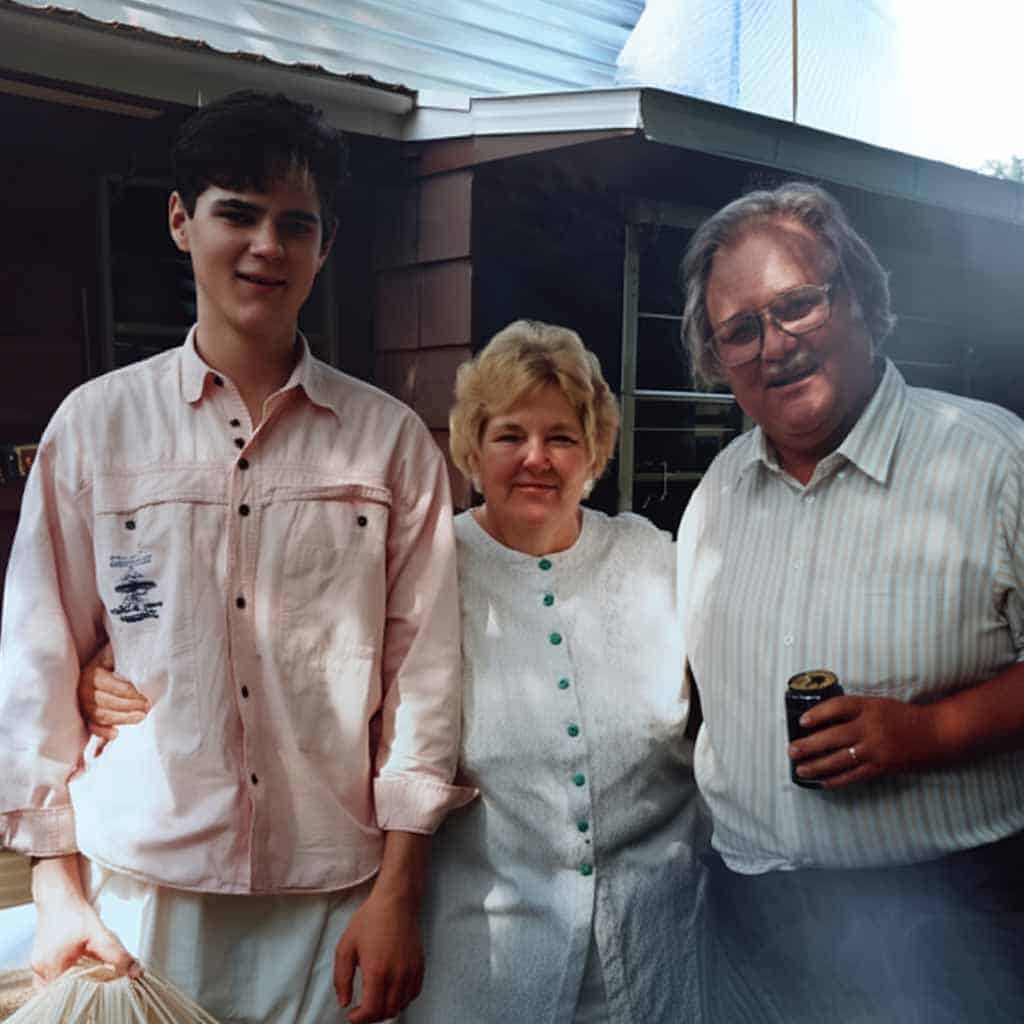
My passion for helping people heal didn’t start in a classroom — it started at home. I watched my dad suffer for years with poor health. He weighed over 400 pounds and was prescribed 16 different medications every single day. The only thing the doctors ever offered him were more drugs and surgeries, never addressing the root cause of his suffering. At just 69 years old, my dad passed away. Watching him struggle made a permanent impact on me.

My Turning Point
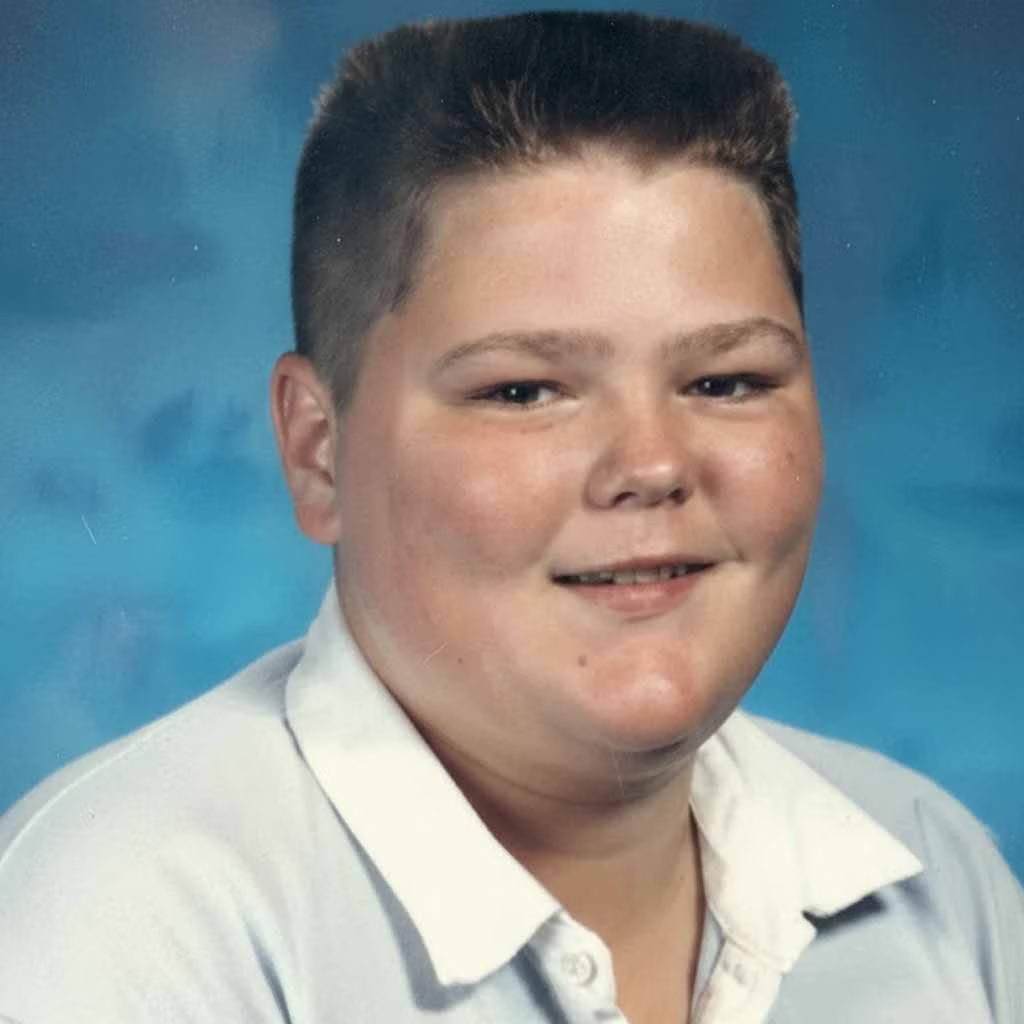
At the same time, I was facing my own health challenges. In my freshman year of high school, I weighed 235 pounds — my nickname was “Huge,” because of my first name, Hugh. By ninth grade, I was tired of living that way. After a trip to the Boundary Waters, where I dropped 10 pounds in three days, I realized change was possible. Over the next six months, I lost 80 pounds. That transformation showed me firsthand the body’s ability to heal when given the right support.
Turning Struggle Into Purpose
Years later, I would watch my dad’s health decline even further. His suffering became my motivation. I knew I wanted to dedicate my life to helping people avoid the same fate — sick, exhausted, and trapped in a medical system that only covers up symptoms instead of addressing the root cause.
Personalized care. Real answers. Next steps that make sense for you.
Schedule My Zoom Call find what’s been missing